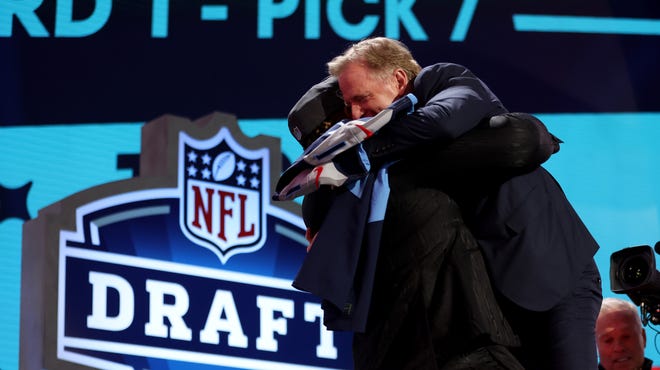
 Former CMH star gives Roger Goodell biggest bear hug after being drafted
 Tennessee selects JC Latham, Oak Creek native, No. 7 in NFL draft
 Pewaukee baseball at Oconomowoc
 NIL 'not gonna go away' despite strikedown at WIAA annual meeting
 Menomonee Falls girls soccer vs. Germantown
 WIAA membership rejects NIL proposal for Wisconsin high school athletes
  Brookfield East softball vs. Germantown
 You can submit 2024 prom photos for our statewide Wisconsin gallery
 Large Waukesha parade memorial set for May construction
 Developer to revise Tosa apartment proposal after feedback from city
 Franklin climbs into area girls soccer top three with team of week nod
 Pizza Ranch is expecting to open in July in this Milwaukee suburb
 Kenosha Bradford still No. 1, but new team joins top 10 softball rankings
 Who is the Milwaukee-area high school Leafguard Athlete of the Week?
 Five undefeated teams lead this week's baseball rankings; Eisenhower honored
 DockHounds' marketing effort now includes TV deal with My24
 Parents: Submit a letter honoring your class of 2024 graduate
 Muskego girls soccer vs. Waunakee
 Students celebrate prom in 2024
 Marquette, Waukesha North lead first Golf Coaches boys spring rankings
 Kettle Moraine girls soccer vs. Brookfield East Readers weigh in on the WIAA's NIL proposal Wisconsin high school athletes may soon be allowed to get NIL money. Here's what to know.
 Sal's Pizza has opened a new location in Sussex
 14 Milwaukee-area winter sports teams bumped up a division by WIAA